Western Queensland Flooding is a Disaster of Unprecedented Scale
The heart of outback Queensland is experiencing a once-in-a-generation flood disaster that is...

After a severe weather event, insurers are faced with two immediate challenges: responding quickly to customers and validating what actually occurred at a property level.
In high-volume catastrophe events, delays and uncertainty can create operational pressure across claims teams, assessors, contractors, and customer support. Questions like “Did hail actually impact this address?” or “Was lightning activity present at the reported time?” become critical, especially when thousands of claims are arriving simultaneously.
By providing historical and date-specific reports for severe weather events, EWN is helping insurers with independently verified weather evidence that supports faster, more accurate, and more defensible claims decisions.
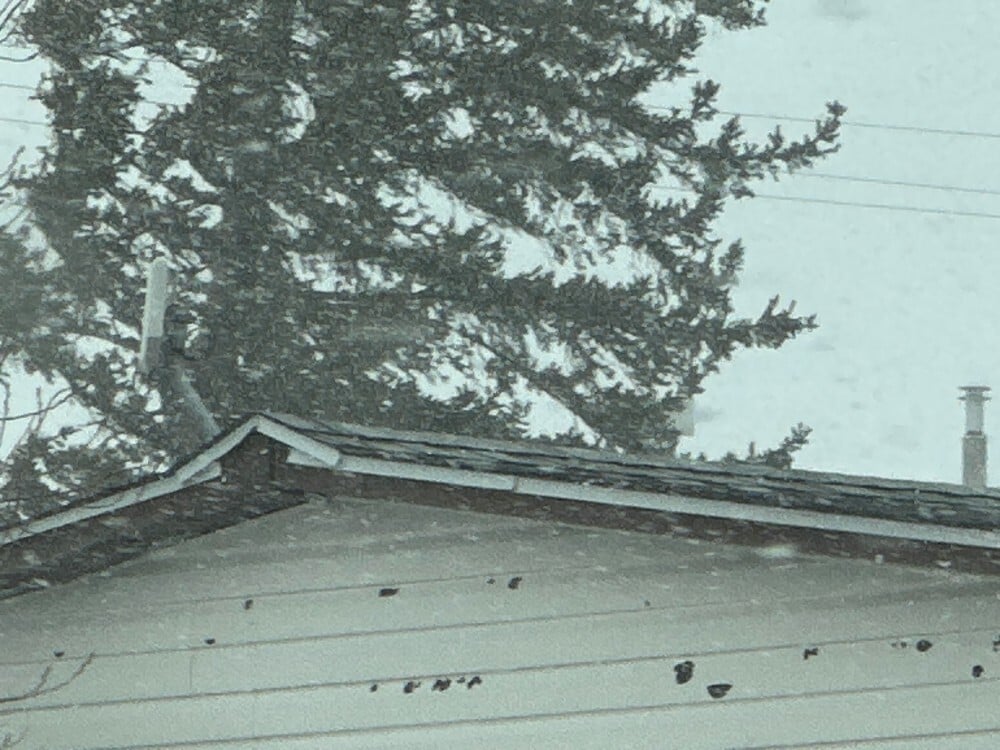
Australia is experiencing more frequent and severe weather events, with hailstorms, severe thunderstorms, and lightning outbreaks driving billions of dollars in insured losses each year.
For insurers, this means increased claim volumes during major events, greater pressure on claims handling teams, rising fraud and dispute risks, increased customer expectations for rapid outcomes and more scrutiny around claims consistency and decision-making. It is critical that decisions are accurate, consistent, and supported by trusted evidence.
Customer reports alone often don’t provide enough certainty. Two houses in the same street may experience completely different impacts. One house may receive damaging hail while another receives only heavy rain. Lightning activity can also vary significantly across short distances and time frames.
Without verified weather intelligence, insurers may rely on:
This can slow down claims handling and create inconsistencies in outcomes.
EWN’s lightning and hail reporting services provide insurers with precise, location-specific verification of severe weather activity, helping claims teams move from uncertainty to confidence.

Verified hail and lightning reports allow insurers to quickly identify:
This enables triage teams to prioritise legitimate claims faster and deploy assessors more efficiently.
Rather than waiting for extensive manual investigations, insurers can use objective weather intelligence to rapidly validate event exposure and begin progressing claims sooner. Detailed post-event reporting helps verify customer queries while minimising false claims and reducing operational inefficiencies. EWN's reports provide an independent evidence layer that helps insurers:
This intelligence becomes particularly valuable during large catastrophe events where internal teams, external assessors, and contractors may all require access to the same trusted source of truth.
Instead of simply saying “there was/wasn't reported storm activity,” insurers can provide detailed, timestamped, location-based evidence showing the actual conditions recorded during the event window.
This helps create more transparent and defensible outcomes for both insurers and policyholders.
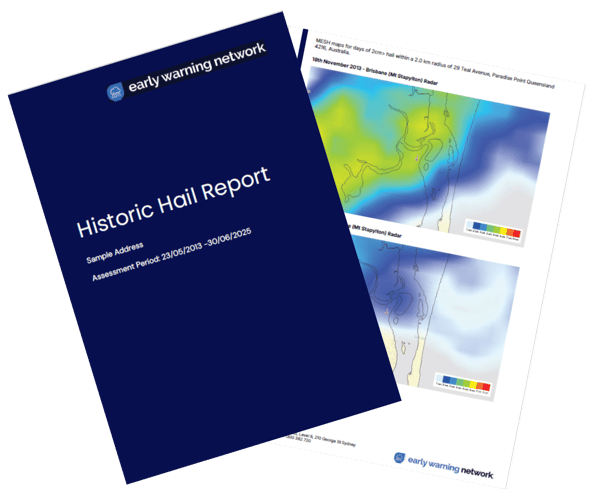
The insurance industry is moving away from broad assumptions and toward precise, property-level intelligence.
Just as postcode-wide embargoes can unnecessarily restrict unaffected properties, broad weather assumptions during claims handling can create inefficiencies, inconsistencies, and customer frustration.
EWN’s approach is built around actionable intelligence: verified, precise, and operationally useful weather data that helps insurers make faster and more confident decisions.
Our in-house meteorologists monitor and verify severe weather activity 24/7, ensuring insurers receive trusted information they can rely on during the moments that matter most.
In an environment where every hour matters, independently verified weather intelligence gives insurers the assurance needed to handle claims with confidence.
To learn more about EWN’s hail, lightning, and severe weather intelligence solutions for insurers, visit EWN’s weather services platform or speak with our team about tailored reporting solutions for your claims operations.
The heart of outback Queensland is experiencing a once-in-a-generation flood disaster that is...
We’re proud to announce that Early Warning Network (EWN) has achieved ISO 27001: 2022 certification...
Recent news from ABC Australia highlights the increasing impact of extreme weather events on...