Winter Hailstorm Surprises Southeast Queensland
On Friday, July 18, a combination of atmospheric forces brought an unexpected burst of severe...

Hail has long been treated as a difficult but familiar weather peril. It arrives quickly, damages property at scale, and leaves insurers managing a surge of claims across homes, vehicles, commercial buildings and increasingly, renewable energy assets.
But hail risk is changing.
In a recent episode of FM’s Sound Policy podcast, The Growing Cost of Hail, FM experts Andreas Mühlbauer and Anthony Longobardi discussed the increasing cost of hail and the importance of why insurers need to understand where hail occurs and how severe it is likely to be.
The episode highlights a clear trend: hail was not a major focus for many insurers and reinsurers 20 years ago, largely because it did not produce the scale of losses seen today. That has changed.
The Insurance Council of Australia estimates that the 1999 Sydney hailstorm, which caused $1.7 billion in insured losses at the time, would cost $8.85 billion if it occurred today. The increase reflects how asset values, population growth and exposure concentration can amplify the cost of a single hail event.
For insurers, this has implications across underwriting, pricing, accumulation management, reinsurance strategy, customer engagement and claims response. Hail has evolved from simply a post-event claims issue to a portfolio risk that needs to be understood before the storm forms.
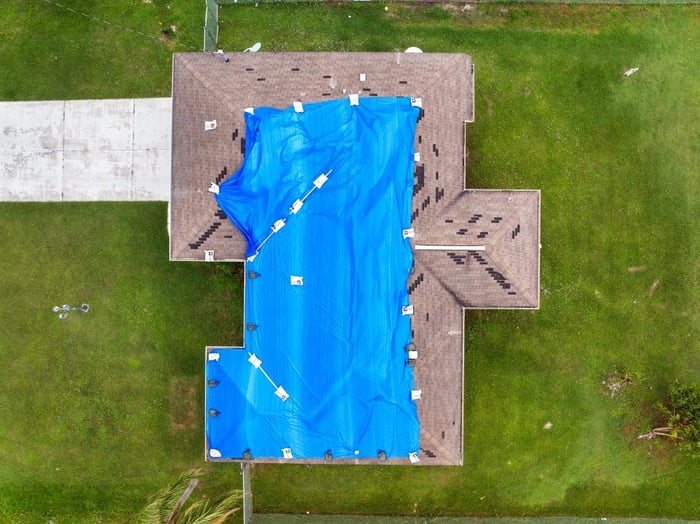
One of the most important points raised in the podcast is that hail risk cannot be assessed by frequency alone.
A location may experience hail regularly, but if the hail is small, the loss potential may be limited. Another location may experience fewer hail events, but when those events occur, the hailstones may be large enough to cause significant damage to roofs, vehicles, skylights, solar panels and other exposed assets.
For insurers, this is a critical distinction. Underwriting decisions, embargo rules, pricing assumptions and portfolio exposure assessments become more meaningful when they reflect potential severity, not just event occurrence. A hail day is not the same as a damaging hail day.
Hail is also highly localised. A storm can affect one suburb, one asset cluster, one section of a portfolio, while leaving nearby locations untouched. That makes location-level intelligence essential for understanding exposure, managing embargoes, issuing policyholder warnings and assessing likely post-event impact.
The more precise the intelligence, the more targeted the response.
Once a hail event has passed, insurers need to understand what actually happened, where it happened, and which insured locations may have been affected.
EWN’s hail reports help insurers move from broad weather awareness to location-specific event evidence. By analysing observed hail activity, radar-derived information and storm characteristics, insurers can better understand the likely footprint, timing and severity of a hail event.
That intelligence can support faster triage, more confident claims assessment, improved fraud detection and clearer communication with customers, assessors and internal teams.
For insurers, the value is not just in knowing that hail occurred. The value lies in being able to answer more specific questions:
Which insured locations were likely impacted?
What time did the hail occur?
How severe was the hail activity?
Which claims should be prioritised?
Which areas may require closer review?
What evidence can support internal decision-making?
This is the difference between weather data and weather impact intelligence.
At EWN, our hail reporting is designed to support insurers across the event lifecycle, from understanding exposure before a storm, through to assessing impact after it has passed. Combined with HailAWARE, EmbargoPlus, InsurAWARE and post-event impact reporting, our solutions help insurers make faster, more confident decisions when hail threatens their customers and portfolios.
As the cost of hail continues to rise, insurers need more than historical claims data or broad regional assumptions. They need timely, location-specific intelligence that helps them understand what happened, where it happened, and what action to take next.
The growing cost of hail is not just a weather problem. It is an underwriting, claims, operational and customer response challenge.
And the insurers that can act on better intelligence will be better placed to manage exposure, respond with confidence and support customers when severe weather strikes.
On Friday, July 18, a combination of atmospheric forces brought an unexpected burst of severe...
When severe hailstorms strike, the difference between a costly, reactive claims scramble and a...
As Australia heads into hail season, the atmosphere is already showing signs of ramping up. Hail...